

Communication Strategies That De-Escalate Conflict
Divorce is a whirlwind of emotions — anger, grief, fear, and confusion all at once. When those emotions take over, conversations with your spouse can go sideways fast. The good news is that a few simple communication strategies can completely change how those conversations go, and you don’t have to figure it out alone.
In a court-litigated divorce, nobody teaches you how to communicate. You show up, lawyers argue, and a judge decides your family’s future for you. There’s no winner in that room — just two people who both walked away feeling defeated and drained.
The Collaborative Process works differently because it’s never about winning or losing. A divorce coach and a mental health specialist trained in divorce work with both of you — not against either of you — helping you stay solution-focused instead of blame-focused. They help you manage emotional triggers and keep conversations productive when things get tense.
One of the most powerful things you can do is pause before you respond. When you have a strong reaction, take a breath before you speak. That small moment of space can be the difference between a productive conversation and a full-blown argument.
Try using “I” statements instead of “you” statements. Saying “I feel overwhelmed when decisions change at the last minute” lands very differently than “You always change plans without telling me.” One opens a dialogue — the other starts a fight.
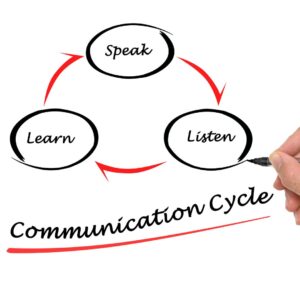
Active listening is another game-changer. Actually hearing what your spouse is saying and reflecting what you heard, “It sounds like you’re worried about finances,” shows you’re engaged and can instantly reduce defensiveness.
Avoid bringing up past grievances during present conversations. Focus on what needs to be resolved today, and trust the process to help you get there. In Collaborative Divorce, these communication skills are practiced with professional guidance, helping you build habits that protect your kids and your peace of mind long after it’s over.
Our team of experts at Collaborative Practice San Diego can support you and your family in better handling conflict, minimizing hostility, and allowing participants the possibility of a cordial relationship in the future. Contact us today!
Note: This information is general in nature and should not be construed as legal/financial/tax/or mental health advice. You should work with your attorney, financial, mental health or tax professional to determine what will work best for your situation.


